Key Takeaways
- An anti-aging treatment plan is typically a long-term roadmap rather than a single treatment.
- Treatment goals often change over time, with a greater focus on prevention early on and maintenance and correction as aging progresses.
- A comprehensive plan may include aesthetic treatments, skincare, healthy lifestyle habits, and ongoing reassessment.
- The most effective approach is individualized and designed around your unique anatomy, skin health, lifestyle, and goals.
Introduction
One of the most common questions patients ask is, “What should I be doing now if I want to age well over time?”
It’s an important question because long-term skin rejuvenation is rarely about a single procedure. In most cases, the best outcomes come from having a thoughtful plan that evolves as your needs change.
A well-designed anti-aging treatment plan is not intended to stop the aging process or dramatically alter your appearance. Instead, it is meant to support skin health, address concerns as they arise, and help you maintain natural-looking results over time.
If you are considering aging gracefully, it can be helpful to think about aesthetic care the same way you think about your overall health. Small, consistent steps often have a greater impact than waiting until concerns become more advanced.
Why Long-Term Planning Matters
Aging is a gradual process. Over time, collagen production declines, skin elasticity changes, facial volume shifts, and cumulative sun exposure can affect the skin’s tone and texture.
Because these changes develop over many years, a thoughtful aesthetic treatment roadmap typically focuses on three areas: prevention, maintenance, and correction.
Prevention involves supporting skin health before visible changes become more pronounced. Maintenance helps preserve skin quality and treatment outcomes. Correction addresses concerns that have already developed, such as volume loss, pigmentation changes, skin laxity, or deeper lines.
In consultation, I often explain that the goal is not to treat every sign of aging as soon as it appears. Instead, the goal is to make informed decisions at the right time and create a plan that remains appropriate as your needs evolve.
For a deeper understanding of the aging process, see How Your Face Ages — and What Treatments Help at Every Stage.
Your 30s: Building a Foundation
For many patients, the 30s are when preventative care becomes part of their long-term strategy.
At this stage, visible aging is often relatively mild. However, early changes in collagen production, skin texture, and expression lines may begin to emerge.
Common goals include maintaining healthy skin, supporting collagen production, improving texture and tone, and establishing a consistent skincare routine.
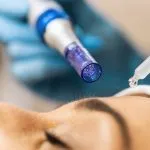
Treatment recommendations during this decade are often centered on skin quality rather than correction. Depending on the individual, that may include medical-grade skincare, preventative neuromodulator treatments, like Botox, when appropriate, light laser procedures, like Cool Peel, microneedling or RF microneedling treatments like The Eraser, collagen-supporting treatments, and routine skin evaluations.
I also encourage patients to remember that in-office treatments are only one part of the equation. Daily sunscreen use, quality sleep, stress management, hydration, and healthy lifestyle habits all contribute to long-term skin health.
Your 40s: Balancing Prevention and Correction
In the 40s, many patients begin to notice more visible changes in both the skin and underlying facial structure.
Fine lines may become more persistent. Skin laxity may begin to develop. Pigmentation changes may become more noticeable, and some degree of facial volume loss may start to affect overall facial balance.
This is often the decade when treatment plans become more comprehensive. Preventative treatments frequently remain important, but corrective treatments may be incorporated as needed.
An anti-aging treatment plan at this stage may include ongoing neuromodulator maintenance, collagen-stimulating procedures, laser treatments for skin tone and texture, energy-based skin tightening, and conservative use of dermal fillers when appropriate.
When discussing treatment options with patients, I often emphasize that the objective is not to chase every age-related change. Rather, it is to support healthy aging while maintaining natural proportions and facial harmony.
Many patients also begin exploring combination treatments to address multiple concerns at once. If you are considering that approach, Can You Combine Aesthetic Treatments? Botox, Filler, Laser & Skin Tightening Explained offers additional insight.
Your 50s and Beyond: Supporting Structure and Skin Quality
As we move into our 50s and beyond, age-related changes often become more noticeable. Collagen loss accelerates, skin laxity may increase, and facial volume changes can become more apparent.
Patients commonly express concerns about deeper lines, changes in jawline definition, thinning skin, and overall skin quality.
At this stage, treatment planning often focuses on supporting facial structure while continuing to improve skin health.
A personalized roadmap may include ongoing neuromodulator treatments, volume restoration with dermal fillers when appropriate, skin tightening technologies such as Ultherapy, laser resurfacing, advanced collagen-stimulating procedures, and a comprehensive skincare regimen. Ultherapy is a non-invasive treatment that uses focused ultrasound energy to stimulate collagen production in deeper layers of tissue, helping to address mild to moderate skin laxity over time.
I often remind patients that successful aging is not about recreating the face they had twenty years ago. The goal is to support healthy aging in a way that preserves natural-looking features and reflects how they want to look and feel today.
Many patients are increasingly interested in subtle enhancements that maintain authenticity rather than dramatic change. This perspective is explored further in Why Are More Patients Asking for Natural-Looking Cosmetic Treatments?
Prevention vs. Correction: Understanding the Difference
One of the most useful concepts to understand when creating a long-term anti-aging strategy is the difference between prevention and correction.
Preventative treatments are intended to support skin health and help minimize the development of visible aging concerns. Examples may include medical-grade skincare, daily sun protection, preventative neuromodulators, microneedling, and light laser treatments.
Corrective treatments are designed to address changes that are already present. These may include volume restoration, skin tightening procedures, laser resurfacing, or treatments that target pigmentation concerns.
Most long-term plans include elements of both. The balance simply changes over time based on an individual’s anatomy, skin condition, lifestyle, and goals.
What Does Maintenance Actually Look Like?
Many patients assume aesthetic treatments either require constant upkeep or are performed only once. In reality, maintenance typically falls somewhere in between.
A well-structured maintenance plan is designed to support results over time without overtreatment.
Some patients may benefit from quarterly visits for injectable maintenance or skin health assessments. Others may choose biannual laser or collagen-supporting treatments. Annual evaluations are also valuable because they allow treatment priorities to be reassessed as the face and skin continue to change naturally.
It is also important to remember that maintenance happens at home. Consistent skincare and daily sun protection remain some of the most important parts of any long-term plan.
A personalized maintenance schedule helps ensure treatments remain aligned with your goals while making the best use of your time and budget.
Realistic Budgeting for Long-Term Rejuvenation
Budget is an important consideration in any aesthetic treatment roadmap.
During consultations, patients often ask where they should start and how to prioritize their investment. The answer depends on their goals, concerns, and timeline.
Rather than viewing anti-aging care as a one-time expense, it can be helpful to think of it as an ongoing approach to skin health and aesthetic maintenance.
A consultation can help identify your primary concerns, determine which treatments are most appropriate, estimate maintenance needs, and establish realistic expectations. This allows treatments to be phased over time in a way that feels manageable and intentional.
Why Wellness Matters in an Anti-Aging Treatment Plan
When discussing aging, it is important to remember that the skin does not exist in isolation.
Factors such as sleep quality, stress levels, nutrition, exercise, hormonal health, smoking status, and sun exposure habits all influence how the skin ages over time.
While aesthetic treatments may help improve skin quality and address visible concerns, healthy lifestyle habits play an important role in maintaining those improvements.
This is one reason many long-term treatment plans incorporate both aesthetic recommendations and wellness-focused guidance. The most sustainable approach often considers the whole person rather than focusing on a single concern.
The Importance of a Personalized Roadmap
No two people age in exactly the same way.
Genetics, facial anatomy, skin type, lifestyle habits, skincare routines, and environmental factors all contribute to the aging process.
For that reason, an effective anti-aging treatment plan should be tailored to the individual rather than based solely on age.
A consultation allows your provider to assess skin quality, facial structure, current concerns, long-term goals, lifestyle considerations, and treatment preferences. From there, a roadmap can be created and adjusted over time as your needs change.
The purpose of that roadmap is not simply to recommend treatments. It is to provide guidance, establish priorities, and help you make informed decisions that support healthy, natural-looking aging.
Frequently Asked Questions
- What anti-aging treatments should you start in your 30s?
Many people begin with preventative strategies such as medical-grade skincare, sunscreen use, collagen-supporting treatments, and, when appropriate, preventative neuromodulators. The most appropriate approach depends on your individual skin concerns and goals.
- How do aesthetic treatments change by age?
Treatment recommendations often evolve from prevention-focused care in the 30s to a combination of prevention, maintenance, and correction in the 40s, 50s, and beyond. Individual needs vary considerably.
- What’s the best long-term anti-aging plan?
The best long-term plan is one that is personalized to your anatomy, skin condition, lifestyle, and goals. Most plans combine skincare, aesthetic treatments, maintenance visits, and healthy lifestyle habits.
- Can non-surgical treatments prevent aging?
Non-surgical treatments cannot stop the aging process, but they may help support skin health, stimulate collagen production, and address early visible changes before they become more advanced.
- How often should you maintain aesthetic treatments?
Maintenance schedules vary depending on the treatment and your goals. Some treatments may be performed every few months, while others may be recommended once or twice per year.
Conclusion
When patients ask what a long-term anti-aging plan actually looks like, my answer is usually simple: it looks different for everyone.
The most effective plans are not built around a single procedure. They are built around thoughtful decision-making over time. By combining prevention, maintenance, targeted correction, skincare, and healthy lifestyle habits, it is possible to create a strategy that evolves with you and supports natural-looking results for years to come.
Related Articles
- How Your Face Ages — and What Treatments Help at Every Stage
- Can You Combine Aesthetic Treatments? Botox, Filler, Laser & Skin Tightening Explained
- Why Are More Patients Asking for Natural-Looking Cosmetic Treatments?
— Katie Kajtor, Aesthetic Nurse Practitioner and Lead Clinician at GMS