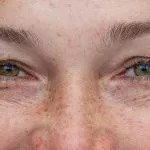
As estrogen levels drop during menopause, our skin naturally begins to lose collagen at a faster rate. In fact, women can lose as much as 30–40% of their collagen in the first few years. You may start to notice that your skin isn’t quite as firm, smooth, or elastic as it used to be. Understanding these changes can help you choose aesthetic treatments that work with your skin, address its changing needs, and help you feel your best at every stage.
How Menopause Alters Skin Response to Laser
- Thinner, drier skin: As estrogen levels decline, our skin naturally produces less oil, which can leave it feeling thinner, drier, and more delicate. Because the skin becomes more sensitive during this time, it may also react differently to heat-based or more intensive treatments, making it especially important to adjust treatments to your skin’s changing needs and allow enough time for healing.
- Slower healing and recovery: As estrogen levels decline, the skin’s natural healing process can slow down. This can affect how quickly your skin recovers after treatments like laser resurfacing. You may notice that redness, mild bruising, or irritation sticks around a little longer than it used to. Giving your skin extra time to heal and recover becomes especially important during this stage.
- Changes in skin pigmentation: Hormonal changes during menopause can make the skin more prone to uneven skin tone, dark spots, and pigmentation changes. It may also be more likely to develop dark spots after certain laser or energy-based treatments, so choosing the right treatment and settings for your skin becomes especially important.
How Menopause Alters Skin Response to Injectables
- Shorter Longevity (“Wear-Off”): Many patients and practitioners note that neurotoxins like Botox and dermal fillers seem to wear off or break down faster. Hormonal changes, shifts in your metabolism, and thinning skin can all play a role in how your body responds to these treatments. You may need to adjust your treatment plan to keep up with your skin’s changing needs.
- More bruising and slower healing: As estrogen levels decline, the tiny blood vessels beneath your skin can become more fragile. This means you may bruise more easily and take a little longer to recover after treatments involving needles or cannulas. Giving your skin some extra time and care to heal can make a big difference during this stage.
- Changes in facial support and volume: As we move through menopause, our skin gradually becomes thinner and loses some of its natural support and elasticity. You may start to notice more sagging around the jawline, the appearance of jowls, or a loss of fullness in certain areas of your face. Because of these changes, fillers may not work quite the same way they did before menopause. A more personalized, thoughtful approach to treatment may be needed to restore volume, improve facial support, and achieve natural-looking results.
- Why a combination approach may work better: Treatments like Botox are great for softening expression lines, but they don’t address changes like collagen loss, thinning skin, or reduced hydration that often come with menopause. That’s why a combination of treatments may be more beneficial. Pairing wrinkle-relaxing treatments with options that restore hydration, replenish lost volume, and stimulate collagen can help address your skin’s changing needs more fully and naturally.
How Menopause Alters Skin Response to Microneedling
- A more fragile skin barrier: After menopause, changes in hormone levels can reduce your skin’s natural moisture and oil production. This can leave your skin feeling drier, more sensitive, and easily irritated. It may also take a little longer for your skin to repair and restore itself after treatments, making gentle skincare and proper recovery even more important.
- Modified healing and depth: As the skin thins and becomes less resilient, treatments may need to be gentler and more carefully customized. This may mean using a more conservative needle depth, taking extra care to minimize irritation, and incorporating soothing, hydrating ingredients like copper peptides and hyaluronic acid to help support skin repair and restore its natural barrier.
Frequently Asked Questions
Does menopause change your skin?
Skin changes are very common during menopause. One of the biggest changes women notice is increased skin dryness. You may also find that your skin becomes thinner, develops more wrinkles, and loses some of its fullness and firmness. As a result, your skin may become more delicate and bruise more easily.
During menopause, it’s completely normal to notice changes in your skin. One of the most common changes is increased dryness. You may also notice that your skin feels thinner, looks more wrinkled, and loses some of its fullness and firmness. As a result, your skin may become more delicate and bruise more easily.
Can menopause affect how skin responds to laser treatment?
Yes, menopause significantly affects how skin responds to laser and energy-based treatments As our bodies naturally produce less collagen, the skin may need a little extra time and care to respond to laser treatments. While they can help stimulate the skin’s natural repair process, achieving smoother, firmer-looking skin may take a more personalized approach, multiple sessions, and a little patience.
Which aesthetic treatments are popular after menopause?
Many women explore aesthetic treatments to help address collagen loss, decreased firmness and elasticity, loss of facial volume, and changes in skin texture. These treatments include Botox, Dermal Fillers, Sculptra, Laser Resurfacing, Radiofrequency Microneedling, Ultherapy, Chemical Peels, and HydroFacials which can help restore a smoother, firmer, more youthful appearance.
Does lower estrogen affect collagen?
Yes, lower estrogen levels lead to reduced collagen production. This can lead to thinner, drier, less firm skin, more noticeable wrinkles, and slower healing.
Should your skincare and aesthetic plan change after menopause?
Yes! After menopause, your skincare routine and aesthetic treatments may need a little extra attention. As estrogen levels drop, your skin goes through some significant changes, affecting its firmness, hydration, and ability to heal. What worked for your skin before menopause may need to be adjusted to better support its changing needs.
Related Articles:
Embracing Change: The Best Non-Surgical Treatments for Women During Menopause
Menopause, Skin Elasticity & Collagen Loss: Why Your Skin Feels Different After 45
Botox for Menopause? What Hormonal Aging Can Mean for Your Facial Treatment Plan